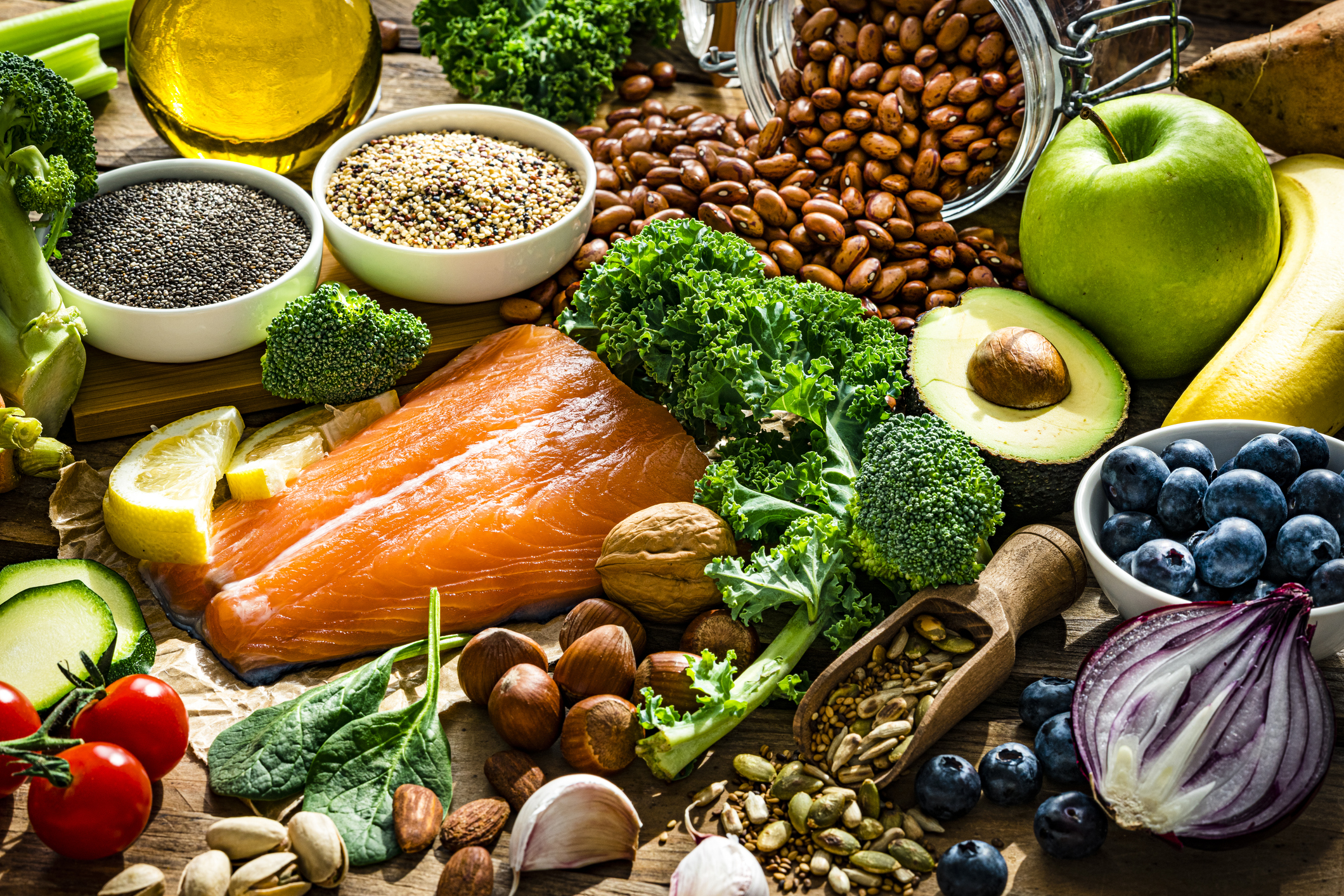
5 functional foods that naturally support your nervous system
This story was originally published by A Healthier Michigan, sponsored by Blue Cross Blue Shield of Michigan, an independent licensee of Blue Cross Blue Shield Association.
About half of Americans experience significant levels of stress weekly.
Diet is an essential part of mental health, and eating foods that support the nervous system can reduce symptoms of stress and anxiety. Here is a look at the gut-brain connection and foods to focus on for a healthy gut.
The gut-brain connection
The gut microbiome consists of trillions of microorganisms such as bacteria and fungi. The gut microbiome produces some chemical neurotransmitters that carry messages from the gut to the brain.
About 95% of the body’s serotonin is in the gut. This gut-brain connection is why feeling nervous can cause a sensation of “butterflies” in the stomach, and an upsetting experience can feel “gut-wrenching.”
Stress can disrupt healthy gut bacteria and lead to intestinal discomfort. It works both ways. If an individual doesn’t have a healthy gut microbiome, this could affect the levels of neurotransmitters that influence and manage their mood. Gut health is also connected to lower levels of inflammation and a stronger immune system, both of which may help improve mood and decrease the risk of depression. Maintaining a healthy gut microbiome may help improve mood, including symptoms of anxiety.
Foods that support the nervous system
A healthy diet that consists of five servings of fruits and vegetables a day, lean protein, healthy fats and whole grains is important for overall physical and mental health. Focusing on gut-healthy foods can help individuals who are looking to manage anxiety or mood, or anyone who wants to support their gut health.
A diet high in ultra-processed food, sugar and carbohydrates is linked to increased anxiety and depression. But reducing those foods and increasing the fresh, functional foods listed below can help improve mental health.
Probiotics
Probiotics are beneficial bacteria that aid in digestion, controlling “bad’ bacteria and breaking down food to create essential nutrients. Foods high in probiotics include fermented foods such as: yogurt, kefir, sauerkraut, kimchi, and kombucha.
Prebiotics
Prebiotics are fiber-rich foods that provide food for healthy bacteria in the lower intestinal tract. Foods high in prebiotics include: apples, asparagus, bananas, beans, chia seeds, flaxseed, garlic, green vegetables, oats, onions, peas, raspberries, tomatoes, and wheat.
Most Americans don’t get enough fiber in their diets, and adding more of these can improve gut health and prevent expensive chronic conditions such as heart disease and Type 2 diabetes. Chronic conditions can also be a source of stress and anxiety.
Omega-3 fatty acids
Healthy fats such as omega-3 fatty acids support cell function and support healthy gut microbiota. Fish, seeds and nuts are common sources of omega-3 fatty acids: rainbow trout, salmon, sardines, tuna, flaxseed, chia seeds, walnuts, and edamame.
Anti-inflammatory foods
Reducing chronic inflammation can support gut function and reduce the risk of anxiety and depression. Foods that help lower inflammation include produce and legumes such as: avocados, leafy greens like spinach and kale, blueberries, strawberries, grapefruit, broccoli, and brussels sprouts.
Water
Staying hydrated is important for a healthy digestive system and a better mood. Sugar- and alternative-sweetener-filled sodas and energy drinks are associated with a higher risk of depression.
Lifestyle tips for managing stress
Diet is one part of a lifestyle that supports mental and physical health. Eating healthy foods is more powerful when combined with exercise and mindfulness.
Breathwork or taking deep, slow breaths while stressed can help regulate the nervous system. Incorporating deep breaths into a morning or evening routine to create a routine offers individuals a simple way to manage stress.
Exercise, too, is key for both mental and physical health. A walk, bike ride, swim or yoga session can help release “feel good” neurotransmitters such as dopamine and serotonin, which support cognitive function and mood. Movement also helps manage blood sugar and can help reduce inflammation, both of which are associated with better health outcomes.
Limiting screen time may also help reduce levels of stress and anxiety. A small study found those who took a one-week break from social media had a 16% decrease in anxiety symptoms. While avoiding social media altogether may not be an answer, taking strategic or regular breaks may help with improved mental health.
Those who struggle with anxiety or chronic stress can also talk to their primary care provider about diet, lifestyle habits, therapy and other treatment options.
Source: Blue Cross Blue Shield of Michigan A Healthier Michigan