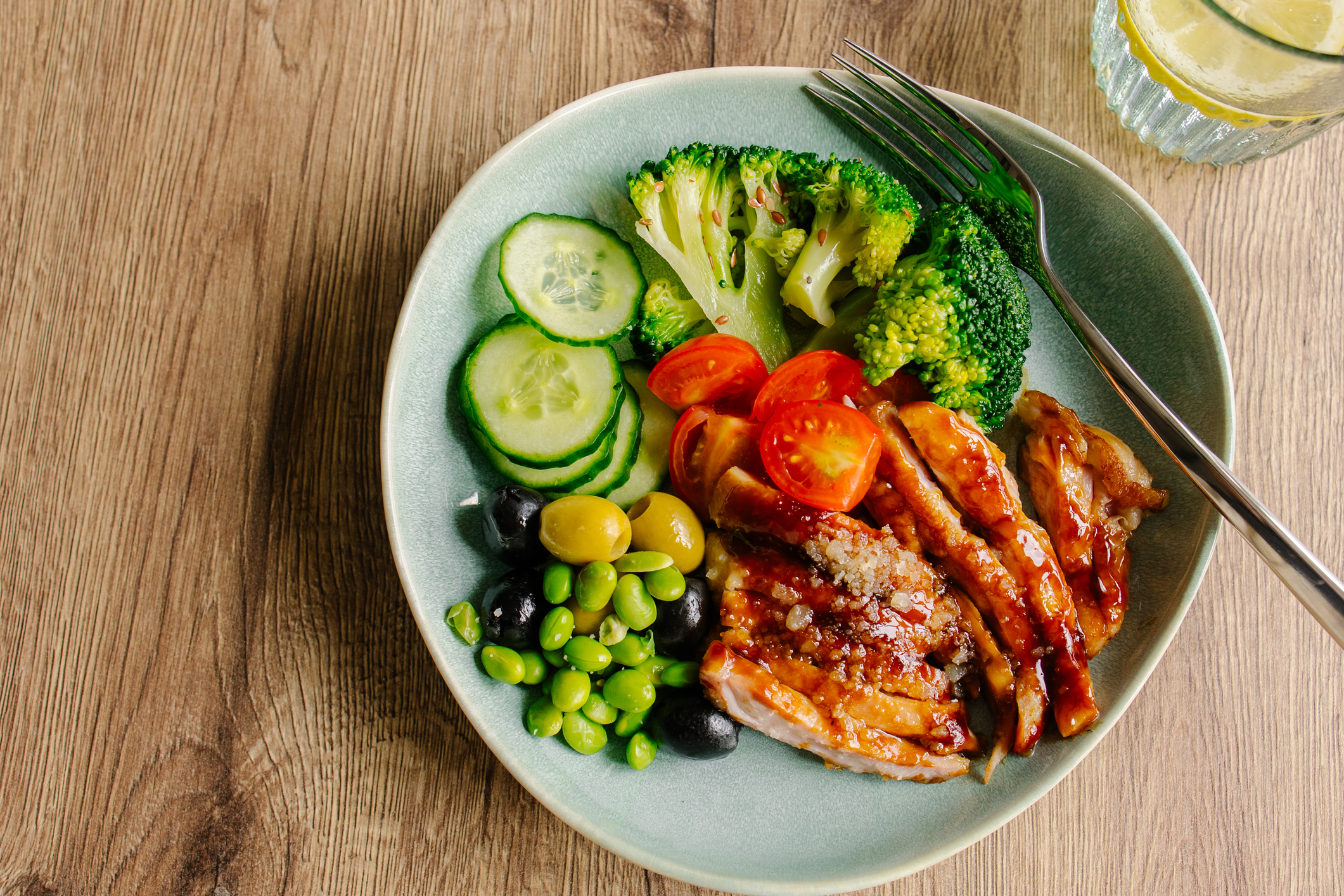
The Diabetes Plate: Sound eating for all people
A successful diabetic diet is one that helps you manage your blood glucose. It is not one that leaves you feeling confused about what to eat, bored with your meals, and hangry.
With this in mind, the American Diabetes Association developed the Diabetes Plate. It’s a road map to a balanced diet that lets you enjoy a wide variety of foods without having to count calories and measure food.
The Diabetes Plate at its core is a simple and healthy way to eat, making it easily adoptable by those in a support or care role, people with prediabetes or obesity, or anyone who wants a healthier diet.
The premise is simple.
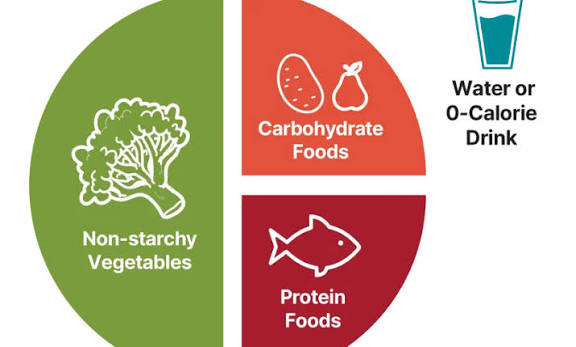
- Start with a 9” plate
- Fill half with nonstarchy vegetables
- Fill a quarter with a lean protein
- Fill the other quarter with carbs
- Drink water or a 0-calorie beverage
What’s a nonstarchy veggie?
Low in carbs, high in fiber, nonstarchy veggies take it easy on your blood glucose. They include:
- Asparagus
- Broccoli
- Cauliflower
- Brussels sprouts
- Cabbage
- Bok choy
- Carrots
- Cauliflower
- Celery
- Cucumber
- Eggplant
- Jicama
- Leafy greens (kale, collards, mustard greens, Swiss chard)
- Mushrooms
- Cactus
- Okra
- Onions
- Leeks
- Green beans, pea pods, snow peas, sugar snap peas
- Peppers such as bell peppers and hot peppers
- Salad greens (lettuce, spinach, arugula, endive)
- Squash (zucchini, yellow, chayote, spaghetti)
- Radish or daikon
- Tomatoes
- Tomatillos
Protein picks
The Diabetes Plate allows for a variety of proteins, including lean animal-based foods and plant-based options.
Lean animal-based proteins
- Chicken, turkey, and eggs
- Fish like salmon, cod, tuna, tilapia, and swordfish
- Shellfish like shrimp, scallops, clams, mussels, and lobster
- Lean beef cuts such as chuck, round, sirloin, flank, and tenderloin
- Lean pork cuts such as center loin chop and tenderloin
- Lean deli meats
- Cheese and cottage cheese
Plant-based proteins
- Beans, lentils, hummus, and falafel*
- Nuts and nut butters
- Edamame
- Tofu and tempeh
*Also high in carbs, so balance the carb portion of your plate with this in mind.
Carbs that count
Keep your blood sugar in check by filling the final quarter of your plate with complex carbs, which increase your blood sugar slowly and take your body longer to digest.
- Whole grains such as brown rice, bulgur, oats/oatmeal, polenta, popcorn, quinoa, and whole grain products (bread, pasta, and tortillas)
- Starchy vegetables such as corn, acorn squash, butternut squash, green peas, parsnips, plantains, potatoes, pumpkins, and sweet potatoes/yams
- Beans such as black, kidney, pinto, and garbanzo and legumes such as lentils
- Fruits and dried fruit
- Dairy products like milk, yogurt, and milk substitutes (e.g., soy milk)
Getting started with the Diabetes Plate
The Diabetes Plate is a good model for managing your diabetes through diet. We understand, however, that diabetes on the whole is fraught with daily questions and concerns that can quickly become overwhelming.
Spira Care Diabetes Care Specialists Amy and Janice have something to say about that.
“It’s important to focus on small, achievable goals when you’re first starting out,” said Amy. “For instance, in your first week try the Diabetes Plate for one meal a day. The next few weeks try focusing on a section of the plate per week. Then work on balancing carbs with protein for most meals and snacks. And then eating proteins and veggies before carbs.”
“You don’t have to eat perfectly to manage your diabetes,” added Janice. “Small, consistent changes in how you build your meals can have a big impact on managing your blood glucose.”
Source: American Diabetes Association