Small changes to lower blood sugar
If you have a family history of diabetes or you’ve been diagnosed with prediabetes, you know how important it is to keep your blood sugar in check. You probably also know that what you eat can have a big impact on your blood sugar.
Here’s a look at five healthy eating habits that can help lower your blood sugar.
Eat more fiber
Only about 5% of Americans eat enough fiber, says the American Medical Association. However, adding more fiber to your meals and snacks can go a long way toward managing your blood sugar. Fiber foods are carbs, but their superpower lies in slowly increasing your blood sugars while slowing down digestion. This leads to a more gradual blood sugar rise rather than a sharp spike and crash.
The Centers for Disease Control and Prevention recommends 22 to 34 grams of fiber daily, depending on your age and sex. High-fiber foods such as whole grains, beans, fruits, vegetables, nuts, and seeds will help you hit the mark. Here’s what that might look like in a day:
- 1 cup oatmeal: 4 grams
- 1 medium apple: 4 grams
- Sandwich with two slices whole-wheat bread and half an avocado: 10 grams
- 1 cup steamed broccoli: 4 grams
- 1 cup pinto beans and brown rice: 10 grams
Load up on nonstarchy vegetables
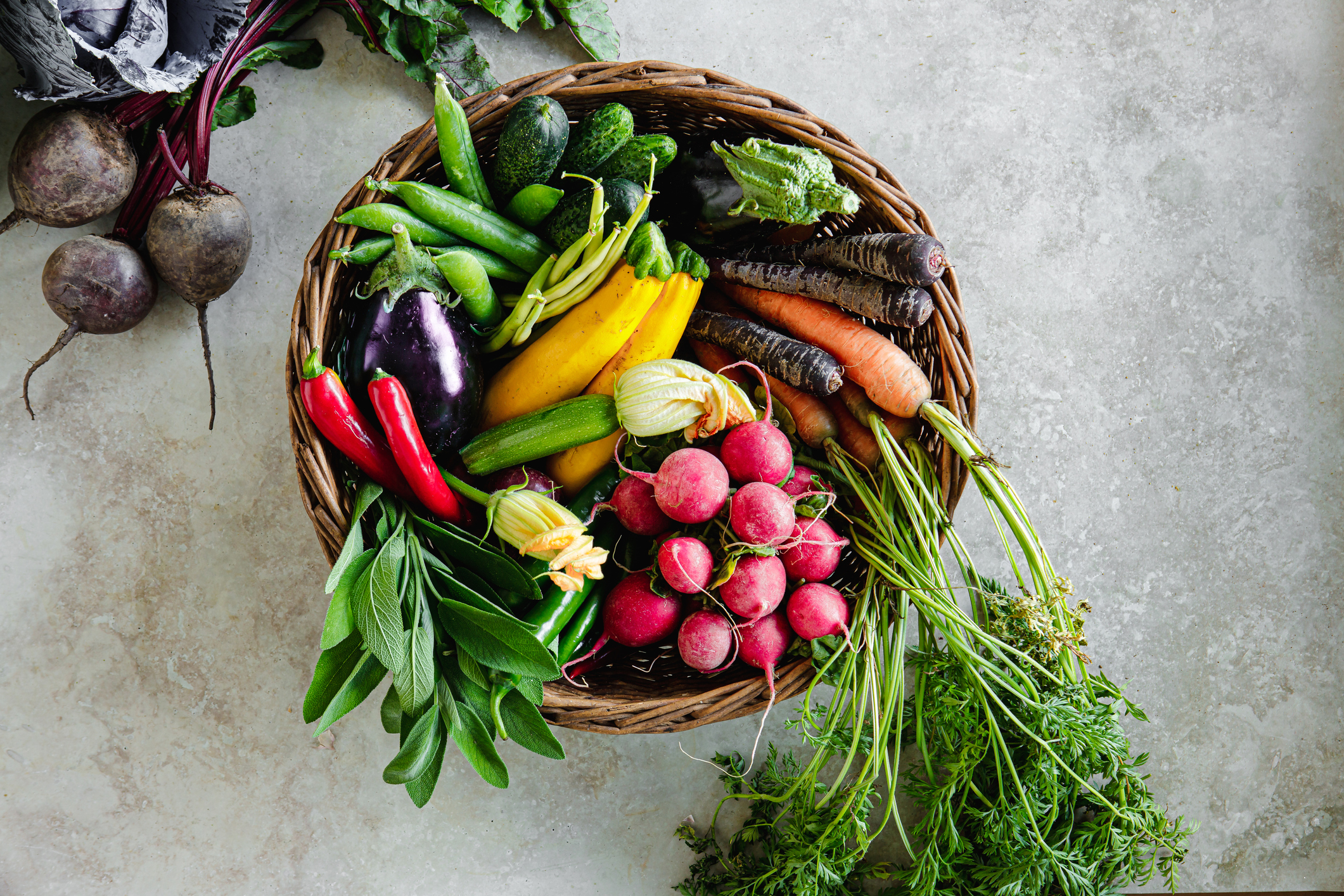
The American Diabetes Association’s Diabetes Platee isn’t just a good eating model for people with diabetes, its good, healthy eating for everyone. It recommends filling half your plate with nonstarchy vegetables, which are packed with fiber and nutrients and low in calories and carbs, so they fill you up without spiking your blood sugar.
Nonstarchy vegetables include leafy greens, broccoli, peppers, mushrooms, artichokes, celery, cucumber, eggplant, cauliflower, onions, tomato, or zucchini. Starchier vegetables such as potatoes, corn, or sweet potatoes are higher in carbs and have a bigger blood sugar effect. They’re still good for you, but it’s better to count them as a carb food.
As for the rest of your plate, fill one-fourth with lean protein such as chicken, fish, eggs, or tofu. Fill the last fourth with carb foods such as starchy vegetables, fruit, beans, and grains or grain products (such as bread, pasta, and tortillas). Limiting carb foods to just one-fourth of your plate is an easy way to keep your carb count in check at each meal.
Break your fast with breakfasts that pack a punch
Eating breakfast — one that’s low in carbs and includes protein, fiber, and fat — will slow your digestion and improve your blood sugar control, says Johns Hopkins. It’ll also help keep you full until lunchtime.
A few quick and easy blood-sugar-friendly ideas include:
- Breakfast taco with scrambled eggs, sauteed spinach, and mashed avocado in a whole-wheat tortilla
- Plain Greek yogurt topped with fruit and nuts
- Oatmeal with peanut butter and your favorite jam swirled into it
- Peanut butter and banana sandwich on whole wheat toast
Make water your go-to beverage
Water is your best beverage choice because it contains zero calories or carbs and has no effect on blood glucose, says the American Diabetes Association. To keep things interesting, keep these other zero- or low-calorie drinks on tap: unsweetened tea, unsweetened coffee, sparkling water/club soda, and water infused with cucumber or other low calorie fruit or vegetable.
Eat sugary foods in moderation, then walk it off
You don’t have to give up dessert entirely to manage your blood sugar. But it’s a good idea to be smart about sugar. Sweet foods such as cookies, cake, or candy cause your blood sugar to rise and fall quickly. That can increase your diabetes risk over time.
Also, try to take a walk within 15 to 30 minutes after you eat sugar. Your muscles will use up some of the sugar from your dessert as fuel. And that can help keep your blood sugar levels lower.